

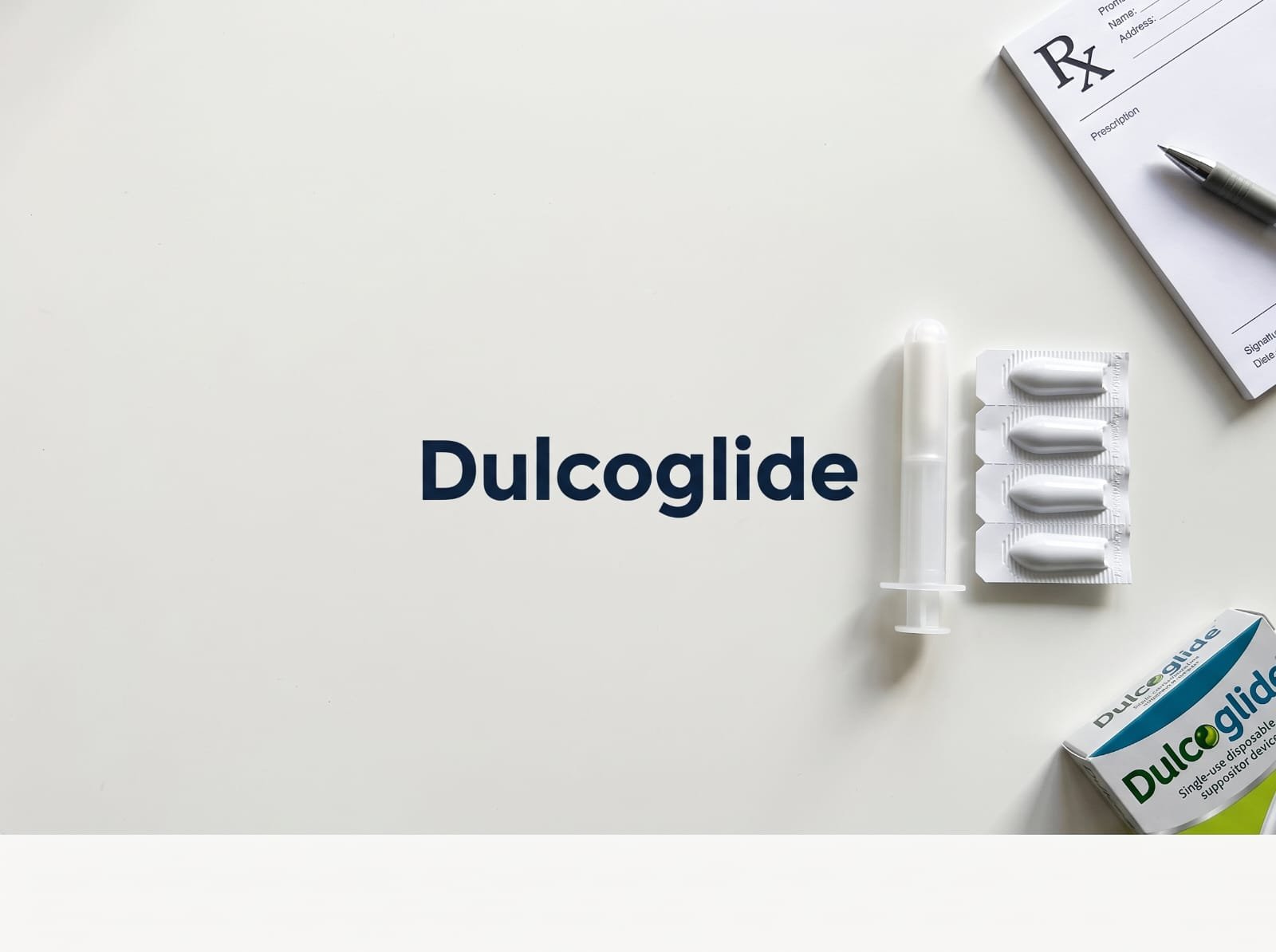
Constipation is uncomfortable, and for many people the hardest part of treatment is not the medicine itself but how it has to be used. Suppositories work well for occasional constipation, yet inserting one by hand feels awkward, messy, and unpleasant. That is the exact problem a small applicator was designed to solve.
Dulcoglide is a disposable applicator that helps place a suitable suppository in the rectum without direct finger insertion. It is not a medicine, it contains no active ingredient, and it does not cause a bowel movement on its own. The medicine inside the suppository does that work. The applicator simply makes the process cleaner, more comfortable, and easier to manage, especially for people who find the usual method difficult or distressing.
What Is Dulcoglide?
A Dulcoglide applicator is a small, single-use device made for one job: to hold a compatible suppository and help position it correctly. It is described in pharmacy listings as comfort-shaped and individually wrapped, so each unit is clean and ready to use straight from its packaging.
The device is associated with Dulcolax, a well-known laxative brand. Dulcolax suppositories contain bisacodyl, a stimulant laxative that helps the bowel move. The applicator was sold alongside those suppositories as a more convenient way to use them, and the two names are often mentioned together for that reason. The connection is practical rather than chemical. One is the delivery tool, and the other is the medicine that goes inside it.
Its history sits inside the wider pharmaceutical industry. The United States trademark for the name was filed in July 2014 and granted in June 2015, covering laxatives, suppositories, and suppository applicators. That registration was later cancelled in December 2021, while a European trademark was registered in November 2015. Availability therefore varies by country and by year.
How Does Dulcoglide Work?
The design is deliberately simple, and that simplicity is the point. A device used in a sensitive part of the body should not need complicated instructions.
Dulcoglide works through two main parts. The barrel is the hollow tube that holds the compatible suppository before use. The plunger is the small rod inside the barrel that pushes the suppository out at the right moment. The user loads the suppository into the open end of the barrel, positions the applicator gently as directed, and presses the plunger to release the medicine into the rectum. The applicator is then removed and thrown away.
Nothing about this process changes the medicine itself. The applicator does not alter the dose, the strength, or the speed of the suppository. A bisacodyl suppository used with an applicator is expected to work in the same time frame as one inserted by hand, usually within 15 minutes to one hour. The benefit is in the handling, not in the chemistry.

Dulcoglide vs Dulcolax: What Is the Difference?
This is the question most people ask first, because the names look and sound so similar. The difference is straightforward once it is stated plainly.
Dulcolax is a brand of laxative medicines. Its suppositories contain bisacodyl, an active ingredient that stimulates the bowel and helps relieve occasional constipation. Dulcolax also sells tablets and other laxative products, and the brand name covers the medicine, not the tool used to insert it.
Dulcoglide, by contrast, is a piece of equipment. It holds no medicine, contains no bisacodyl, and cannot relieve constipation by itself. If the suppository inside it were removed, the applicator alone would do nothing at all. Its only job is to make insertion easier, cleaner, and less awkward.
| Product | What it does | Contains medicine? |
|---|---|---|
| Dulcolax suppository | Treats occasional constipation | Yes — bisacodyl |
| Suppository applicator | Helps insert a suppository | No |
Thinking of the two as a pair helps. The suppository is the treatment, and the applicator is the way that treatment reaches the right place.
Is It the Same as Dulaglutide?
No, and this confusion is worth clearing up before it causes a real mistake. Dulaglutide is a completely different product with a similar-looking name. It is sold under the brand name Trulicity, and it is a prescription medicine for type 2 diabetes. It is given as a once-weekly injection under the skin, and it works by helping the pancreas release insulin and by slowing how quickly the stomach empties.
The two products share only a few letters. One is a disposable device for inserting a suppository, and the other is an injectable diabetes drug. They treat different conditions and are not interchangeable, so check the spelling carefully before buying or using either one.
How to Use It Step by Step
Before using Dulcoglide, always read the instructions that come with your applicator and your medicine first. The leaflet that comes with the product is the final authority, and the steps below are a general guide, not a replacement for it.
Start by washing your hands and opening one applicator from its individual wrapping. Place a suitable suppository inside the open end of the barrel, following the directions on the packaging. Do not force a suppository that does not fit, and do not use a damaged applicator.
Lie on your side, as the documented instructions describe. Keep your lower leg straight and bend your upper leg toward your chest. This position relaxes the area and makes placement easier. Gently position the applicator as directed, then press the plunger slowly to release the suppository. Remove the applicator, throw it away, and wash your hands again.
The applicator is made for one use only. Do not wash it to use again, do not share it, and do not flush it down the toilet. Dispose of it in household waste, following local guidance for medical items. After the suppository is in place, try to remain lying down for a short while, so the medicine has time to work.
Who Can Use It?
Published pharmacy information describes the documented applicator as suitable for adults and children over 12 years of age. It is listed as unsuitable for children under 12, who should only use suppositories or laxatives on the advice of a doctor or pharmacist.
That age guidance applies to the applicator as it was sold with Dulcolax suppositories. The suppository itself has its own age limits, and those should be followed separately. A product that is safe for one person may not be safe for another, especially for children, pregnant people, and people with certain bowel conditions.
It may help some people more than others. Older adults, people with limited hand movement, and anyone who finds finger insertion difficult may find an applicator easier to use. Constipation is common in later life, and this is one reason health coverage for older adults often includes medicines and devices that make everyday care simpler.
Benefits and Limitations
The main benefit of Dulcoglide is comfort and dignity. Inserting a suppository by hand is unpleasant for many people, and some avoid the treatment altogether because of it. An applicator gives them another option, and a treatment that is actually used is worth more than a treatment that sits unused in a cupboard.
A second benefit is hygiene. Each applicator is individually wrapped and used once, so there is no cleaning and no contact between the hand and the medicine. A third benefit is placement: the barrel and plunger are designed to position the suppository correctly.
The limitations are just as clear. The device treats nothing on its own, so it cannot help someone who does not also have the right suppository. It adds cost and waste, because every use needs a new disposable unit. It is also not widely available everywhere, and in some countries it may no longer be stocked at all. Anyone who cannot find one should ask a pharmacist about alternatives.

Safety and Precautions
A suppository applicator is used in a sensitive part of the body, so it should always be handled gently. Never force it, never use it if it is damaged, and stop if you feel sharp pain. Mild discomfort during insertion is common, but severe pain, bleeding, or a feeling that something is wrong is a reason to stop and seek advice.
Dulcoglide itself has no working time, no dose, and no side effects of its own, because it contains no medicine. Any side effects come from the suppository, not from the device. Bisacodyl suppositories can cause cramping, abdominal discomfort, and an urgent need to open the bowels, and those effects should be described in the medicine leaflet.
There are also situations where a laxative should not be used without medical advice, including sudden changes in bowel habits, rectal bleeding, severe abdominal pain, and a bowel obstruction. Pregnant people and people with inflammatory bowel disease should check with a doctor or pharmacist first. Occasional constipation is common, but constipation that keeps coming back deserves a proper check rather than repeated self-treatment.
Availability and Alternatives
Because the trademark history and the retail listings suggest the product has not been sold in the same way in every market, availability is genuinely uncertain. Some pharmacies may still carry applicators with Dulcolax suppositories, while others may not stock them at all. Online listings can also be out of date, so a product that appears in search results may no longer be for sale.
If an applicator is not available, the usual alternative is to insert the suppository directly, using a clean finger or a disposable glove, exactly as the medicine leaflet describes. Other options depend on the cause of the constipation. Oral laxatives, dietary fibre, fluids, and gentle movement help many people, although they work more slowly than a suppository. A pharmacist can explain which option fits a particular situation.
When travelling, constipation often gets worse because of changes in food, water, and routine. Keeping any medicine in hand luggage is a sensible habit, and packing for a trip should include the items you may need before you can reach a pharmacy at your destination.
Frequently Asked Questions
Is it a laxative? No. It is an applicator, not a medicine. It helps insert a suitable suppository, and the medicine inside that suppository provides the treatment.
Does it contain bisacodyl? No. Bisacodyl is the active ingredient in some Dulcolax suppositories. The applicator itself contains no medicine at all.
Can it be reused? No. It is designed for single use only. Throw it away after one use, and open a fresh one next time.
How long does it take to work? The applicator itself has no working time. The suppository used with it usually works within 15 minutes to one hour, although this varies.
Is it suitable for children? Published information lists it as suitable for adults and children over 12, and unsuitable for children under 12. Always follow the medicine leaflet and ask a pharmacist if you are unsure.
Is it the same as dulaglutide? No. Dulaglutide is a prescription diabetes injection sold as Trulicity. The applicator is a different product for a different purpose, and the names should not be confused.
Conclusion
Dulcoglide is a simple idea done well: a disposable applicator that makes an awkward treatment easier, cleaner, and more dignified. It does not treat constipation, it does not contain medicine, and it does not change how a suppository works. What it does is remove one barrier that stops people from using a treatment that could help them.
That simplicity is also its limit. It is only useful when the right suppository is available, it is made for one use only, and it may not be stocked everywhere. Used correctly, with the leaflet read first, it is a practical option for adults and older children who need occasional constipation relief.
